




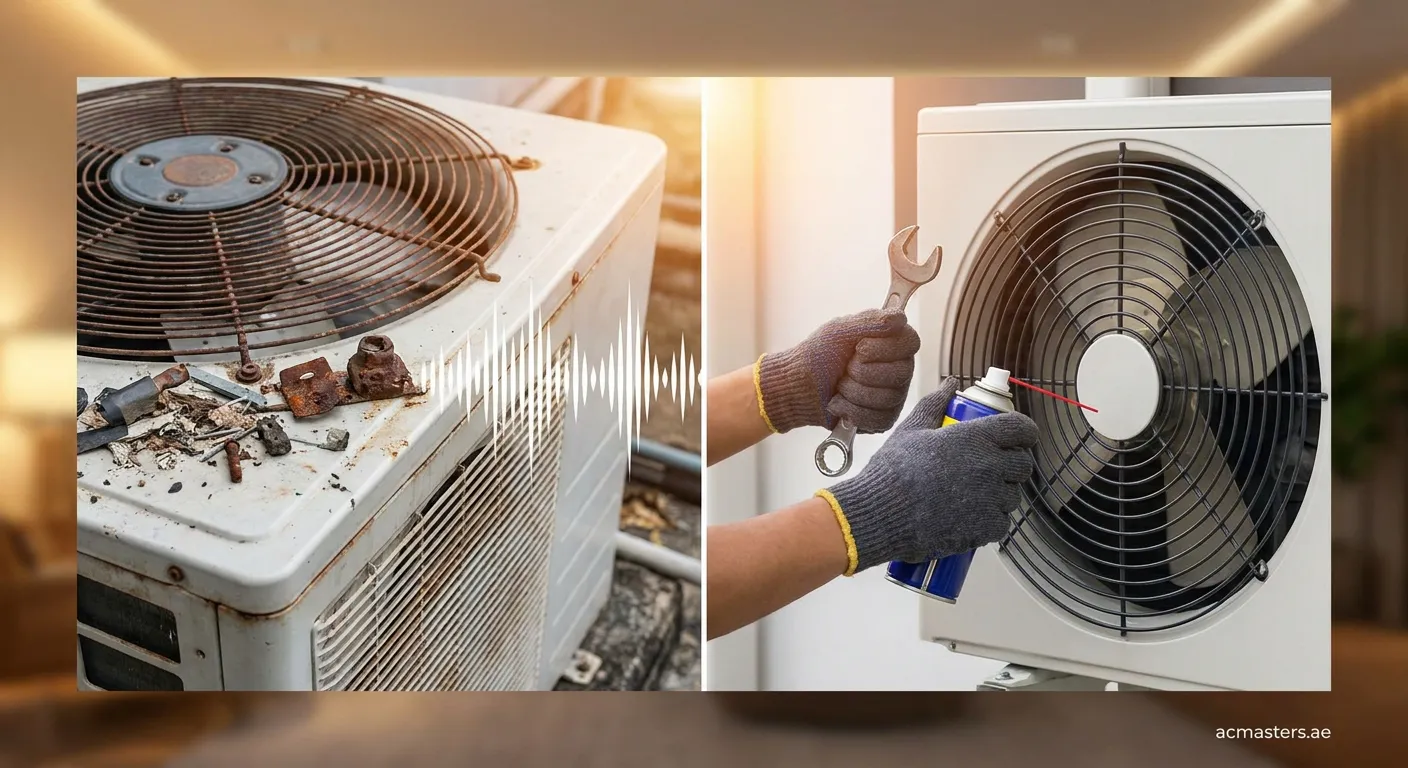
What Causes the Squawking Sound in AC Units?
Why your AC makes a squawking sound is a question many homeowners face during peak cooling seasons. This distinctive noise resembles a bird's call and typically indicates specific mechanical issues within your air conditioning system.
Common Mechanical Causes
The most frequent reasons include:
- Worn fan belt: A loose or deteriorating belt creates high-pitched squawking when it slips on pulleys
- Motor bearing failure: Damaged bearings produce screeching or squawking sounds as they grind against metal components
- Debris in the system: Leaves, twigs, or foreign objects caught in the fan blades generate unusual noises
- Refrigerant issues: Low refrigerant levels can cause pressure imbalances leading to strange sounds
How to Diagnose the Problem
Understanding why your AC makes a squawking sound starts with careful observation:
- Listen to the timing: Does the sound occur at startup, during operation, or when shutting down?
- Locate the source: Identify whether it's coming from the indoor unit or outdoor compressor
- Check for patterns: Note if the sound changes with different fan speeds or temperatures
- Inspect visible components: Look for obvious signs of wear, damage, or debris buildup
When to Call a Professional
While some minor issues can be addressed independently, certain situations require expert intervention:
Signs You Need Professional Help
- The squawking persists after basic maintenance attempts
- You notice burning smells accompanying the noise
- The system shuts off unexpectedly due to safety mechanisms
- Energy bills increase significantly without usage changes
Professional diagnosis is crucial because attempting DIY repairs on sealed components can void warranties and cause further damage.
Preventive Maintenance Tips
To avoid future occurrences of why your AC makes a squawking sound, implement these preventive measures:
Regular Maintenance Schedule
| Task | Frequency | Benefit |
|---|---|---|
| Replace air filters | Monthly | Prevents airflow restrictions |
| Clean condenser coils | Quarterly | Improves efficiency |
| Check fan belts | Biannually | Early wear detection |
| Schedule professional inspection | Annually | Comprehensive system evaluation |
Best Practices for AC Care
Maintain clean surroundings: Keep the outdoor unit free from debris, vegetation, and obstructions. A two-foot clearance around the unit ensures proper airflow and reduces the risk of foreign objects entering the system.
Monitor unusual sounds early: Address new noises immediately rather than waiting for them to worsen. Early intervention typically results in simpler, more affordable repairs.
Cost Considerations for Repairs
When investigating why your AC makes a squawking sound, understanding potential repair costs helps with budgeting:
Typical Repair Expenses
- Fan belt replacement: $100-$300 depending on accessibility and labor rates in your area. This repair usually takes under an hour.
- Motor bearing repair: $200-$500 for parts and professional installation service.
- Complete motor replacement: $400-$1,000 including labor and warranty coverage.
- Refrigerant recharge: $150-$400 based on refrigerant type and required quantity.