




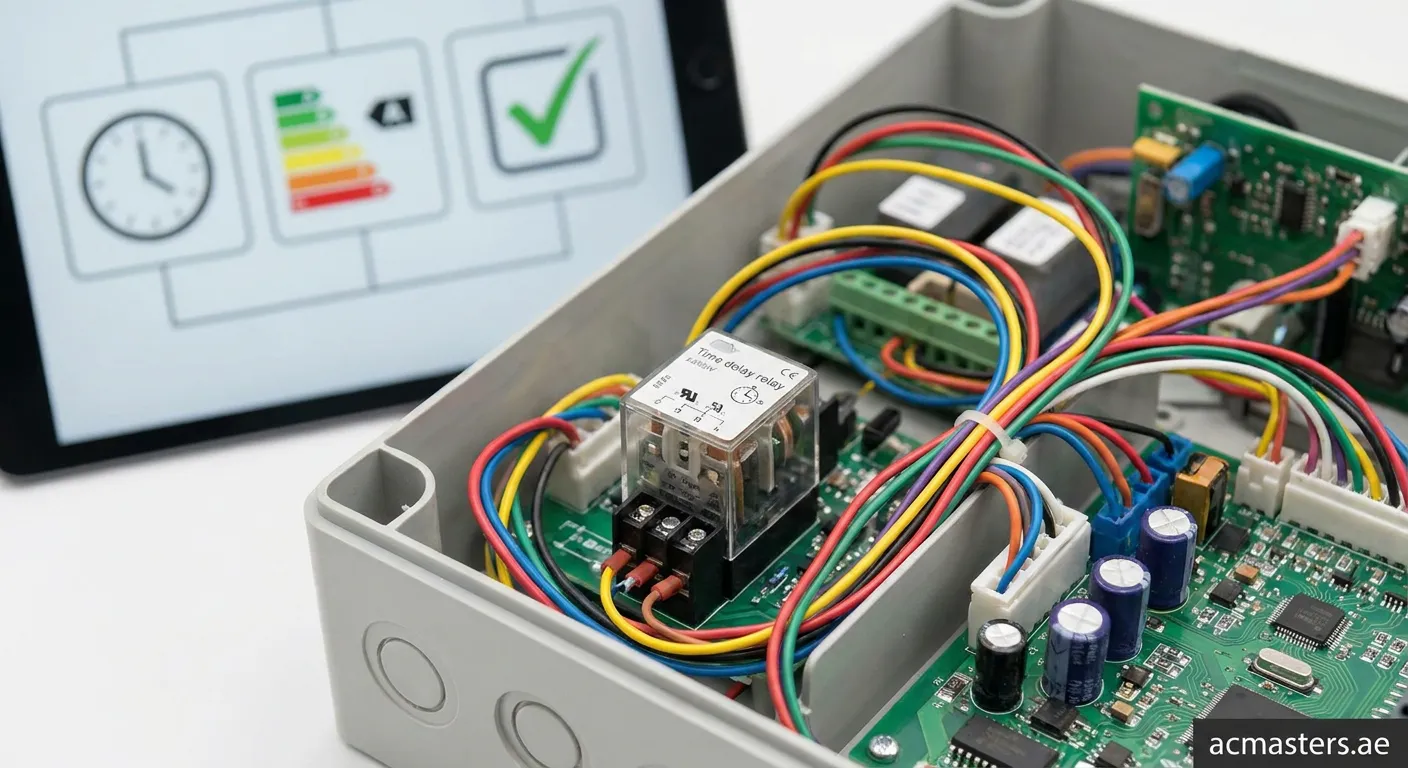
What Is a Time Delay Relay?
A time delay relay (TDR) is a specialized electrical component designed to control an event based on time. In heating, ventilation, and air conditioning (HVAC) systems, it introduces a deliberate pause before energizing or de-energizing a circuit. Understanding the benefits of a time delay relay is essential for homeowners and technicians looking to safeguard complex cooling equipment against premature wear.
Essential Benefits of a Time Delay Relay in Cooling
Modern air conditioners operate under significant electrical loads. Incorporating a TDR offers several key functional advantages for system longevity and performance:
1. Preventing Rapid Compressor Short Cycling
When power flickers or thermostats cycle rapidly, compressors face immense strain. A delay relay enforces a mandatory rest period—typically 3 to 5 minutes—before the compressor restarts.
- Protects against high-pressure restart failures.
- Reduces thermal stress on motor windings.
- Lowers the probability of blown fuses and tripped circuit breakers.
2. Equalizing Refrigerant Pressures
When an AC shuts down, large refrigerant pressure differences exist between the high and low sides of the system. Starting the compressor against high head pressure requires excessive starting torque, which can lock the rotor.
A deliberate pause allows refrigerant pressures to equalize across the metering device, enabling smooth and low-stress compressor restarts.
3. Boosting Energy Efficiency and Lowering Utility Costs
Frequent starting draws surge currents up to five times normal operating amperage. By eliminating unnecessary rapid starts, the benefits of a time delay relay directly translate into reduced power consumption, less grid stress, and lower monthly electric utility bills.
4. Blower Fan Run-On for Maximum Heat Transfer
Off-delay relays keep the indoor blower fan running for 60 to 90 seconds after the compressor shuts off. This extracts remaining chilled air from the evaporator coil, enhancing total cooling efficiency and improving indoor humidity control.
Types of Time Delay Relays Used in HVAC
Different configurations provide specific operational safeguards:
- On-Delay Relays: Postpone the activation of equipment after receiving a control signal, ideal for staged startup in multi-unit buildings.
- Off-Delay Relays: Keep auxiliary components like exhaust fans or evaporator blowers operating after the main unit turns off.
- Recycle/Interval Relays: Regulate continuous on-off sequences to maintain consistent duty cycles.
Key Takeaways for Homeowners
Investing in proper relay protection yields tangible long-term returns:
- Extended operational lifespan of major HVAC components.
- Reliable prevention of catastrophic compressor burnouts.
- Improved system stability during localized electrical grid fluctuations. Evaluating the benefits of a time delay relay proves that small protective devices prevent thousands in repair expenses while maintaining household comfort.