




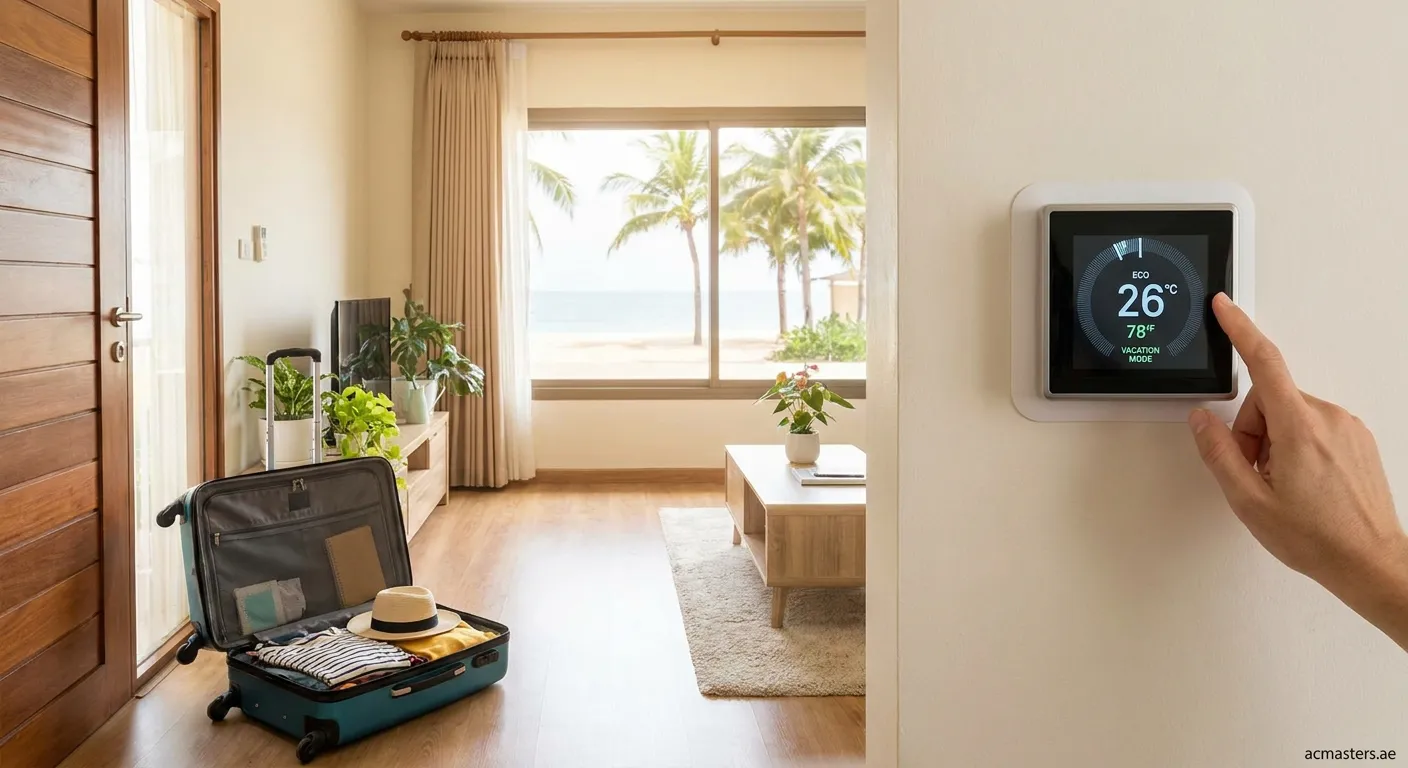
The best temperature to set your AC when on vacation depends on several factors including season, duration of absence, and your home's characteristics.
Recommended Temperature Settings
Summer Months (May-September)
When leaving for vacation during hot weather, set your thermostat between 85-88°F (29-31°C). This temperature range offers several benefits:
- Prevents excessive heat buildup that can damage electronics
- Reduces humidity levels, preventing mold growth
- Significantly lowers energy consumption (5-15% savings)
- Protects wooden furniture from warping
Winter Months (October-April)
For winter vacations, maintain a minimum of 55-60°F (13-16°C) to prevent:
- Pipe freezing and potential burst pipes
- Damage to appliances and water heaters
- Cold spots that encourage mold growth
Factors Affecting Ideal Temperature
Several variables influence what temperature works best:
- Trip duration – Longer trips require more conservative settings
- Home insulation – Well-insulated homes retain temperature better
- Local climate – Humid regions need lower settings to control moisture
- Pets or plants – Living things require comfortable temperatures
- Security systems – Some electronics need moderate temperatures
Energy Savings Calculations
| Temperature Setting | Energy Savings | Monthly Cost Reduction |
|---|---|---|
| 78°F (26°C) | Baseline | Standard rate |
| 82°F (28°C) | 6-8% | $15-25 savings |
| 85°F (29°C) | 10-12% | $25-40 savings |
| 88°F (31°C) | 15-20% | $40-60 savings |
Expert Tip: Every degree higher saves approximately 1-3% on cooling costs during extended absences.
Smart Thermostat Benefits
Modern programmable thermostats offer significant advantages:
- Remote monitoring – Adjust settings from anywhere via smartphone
- Scheduling features – Automatically return to comfort before you arrive home
- Alert notifications – Receive warnings if temperatures exceed safe ranges
- Energy reports – Track consumption patterns and optimize settings
Pre-Vacation Checklist
Before leaving:
- Close all blinds and curtains to block direct sunlight
- Ensure all windows and doors are properly sealed
- Unplug unnecessary electronics that generate heat
- Set ceiling fans to turn off (they cool people, not rooms)
- Consider using a dehumidifier in especially humid climates