




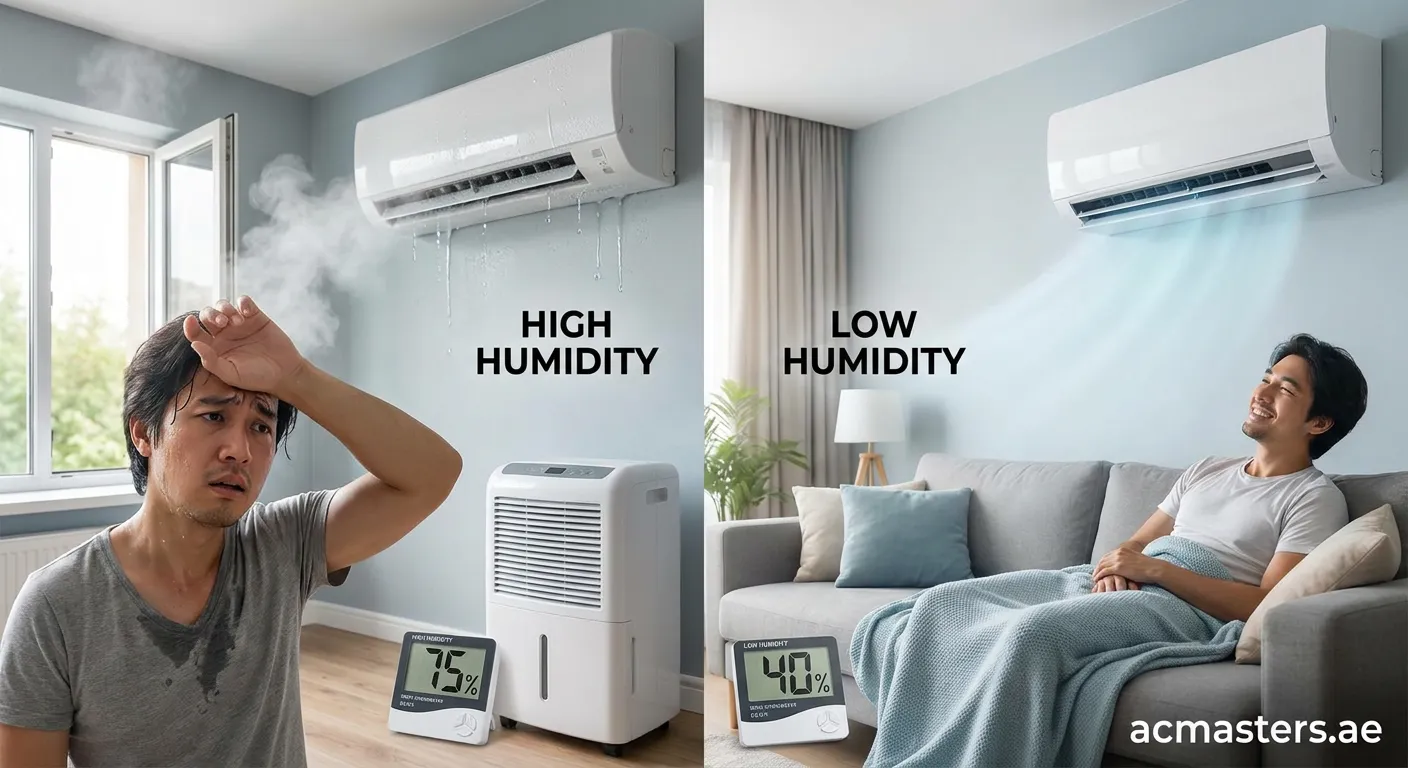
Humidity plays a crucial role in determining how comfortable you feel indoors, regardless of what the thermostat shows. Understanding the impact of humidity levels on AC comfort can help you optimize your home's climate control system.
What Is Humidity and Why Does It Matter?
Humidity refers to the amount of water vapor present in the air. When humidity levels are too high or too low, it affects not only your comfort but also your AC system's efficiency.
Ideal Humidity Levels for Your Home
The recommended indoor humidity range is between 30% and 50%. Levels outside this range can cause:
- High humidity (>50%): Makes air feel warmer than actual temperature
- Low humidity (<30%): Causes dry skin, irritated respiratory passages
- Optimal range: Balances comfort and health benefits
How High Humidity Affects AC Performance
When there's excess moisture in the air, your air conditioner works harder to remove it. This process is called dehumidification. The impact of humidity levels on AC comfort becomes most noticeable when humidity exceeds 60%.
Signs Your Home Has High Humidity
- Condensation on windows and pipes
- Musty odors in certain rooms
- Sticky or clammy feeling on skin
- Increased allergen presence
- Higher energy bills despite normal usage
Effects on Energy Efficiency
Your AC unit uses approximately 20-30% more energy when battling high humidity levels. The system must run longer cycles to achieve the desired temperature, leading to:
- Premature wear on components
- Higher monthly utility costs
- Reduced equipment lifespan
- Inconsistent cooling throughout your home
Low Humidity: The Other Extreme
While high humidity receives more attention, low humidity also impacts AC comfort significantly. During winter months or in arid climates:
- Air feels cooler than actual temperature reading
- Static electricity increases
- Wooden furniture may crack
- Respiratory discomfort becomes common
Optimizing Humidity for Maximum Comfort
Whole-House Solutions
Consider installing integrated humidity control systems:
Dehumidifiers: Work alongside your AC to remove excess moisture efficiently without overcooling your space.
Humidifiers: Add necessary moisture during dry seasons when heating systems reduce indoor humidity.
Simple Daily Practices
- Use exhaust fans in bathrooms and kitchens
- Fix leaking pipes promptly
- Ensure proper ventilation throughout your home
- Monitor indoor humidity with hygrometers
- Clean or replace AC filters monthly
The Role of Regular Maintenance
Regular AC maintenance directly affects how well your system handles humidity control:
- Clean coils improve heat exchange efficiency
- Unclogged drain lines prevent water backup
- Proper refrigerant levels ensure optimal dehumidification
- Well-calibrated thermostats respond accurately to conditions