




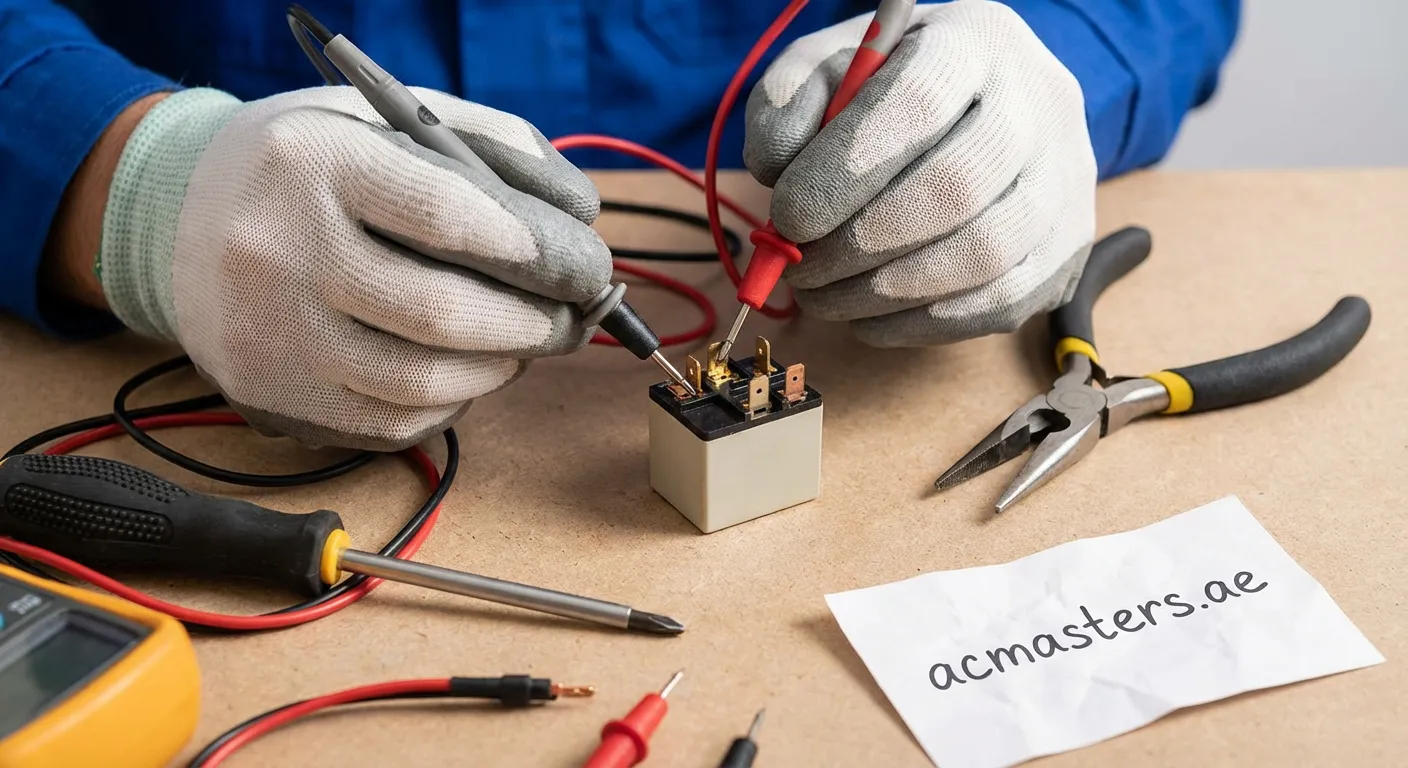
Understanding the AC Relay Switch Function
The AC relay switch serves as an essential electrical component that controls high-voltage circuits using low-voltage signals in your air conditioning system. When learning how to check AC relay switch operation, it's important to understand its role as an electromagnetic switch managing compressor and fan motors.
Common Signs of a Failing Relay
Before diving into testing procedures, recognize these warning indicators:
- Intermittent cooling: The AC works sporadically without consistent patterns
- Clicking sounds from the outdoor unit without activation
- Complete system failure despite thermostat commands
- Overheating or burning smell near electrical components
- Frozen evaporator coils due to compressor cycling issues
Required Tools for Testing AC Relay Switches
Gathering proper equipment ensures accurate diagnosis when performing how to check AC relay switch procedures:
- Digital multimeter with continuity function
- Insulated screwdrivers set
- Safety gloves rated for electrical work
- Flashlight for better visibility
- Camera phone for documenting wiring configurations
- Manufacturer's wiring diagram (if available)
Safety Precautions Before Starting
⚠️ Always disconnect power at both thermostat and breaker panel before any electrical work.
Verify power disconnection using your multimeter at the disconnect box near your outdoor unit.
Step-by-Step: How to Check AC Relay Switch Voltage
Step 1: Locate the Contactor/Relay Assembly
Access your outdoor condensing unit by removing the access panel screws. Identify the contactor—a rectangular component typically located near incoming power wires with multiple terminals visible.
Step 2: Test Control Circuit Voltage
"Proper voltage testing reveals whether the problem originates from the control circuit or the relay itself." — HVAC Professional Standards
Set your multimeter to measure DC voltage within the expected range:
- Typical residential systems: 24V AC between common and hot terminals
- If no voltage present when thermostat calls for cooling: check transformer output first
- Record all readings systematically for troubleshooting reference
Step 3: Measure Coil Resistance
Understanding how to check AC relay switch coil integrity involves:
- Setting multimeter to ohms/resistance mode
- Measuring across coil terminals (typically marked C1/C2)
- Expected range: 10-100 ohms depending on model specifications
- Zero or infinite readings indicate failed coil requiring replacement
Testing Contact Points Condition
Physical examination often reveals underlying issues:
| Condition | Visual Indicator | Recommended Action |
|---|---|---|
| Good | Clean, smooth surface | Continue testing |
| Worn | Discoloration | Consider replacement |
| Damaged | Pitting/arcing marks | Replace immediately |
| Burned | Black carbon deposits | Replace assembly |
Apply firm pressure pushing the contactor plunger down manually—if contacts don't close smoothly or make poor connection, replacement is necessary.
Audible Click Test Procedure
A functional electromagnet produces distinct clicking:
- Restore temporary low-voltage power only (24V)
- Have assistant activate cooling mode at thermostat
- Listen for solid click from contactor engagement
- Weak or absent clicking suggests insufficient magnetic force generation 5 Immediately disconnect power after this test completion! This method effectively demonstrates how to check AC relay switch responsiveness under controlled conditions while maintaining safe protocols throughout diagnostic processes."