




Air conditioning systems are designed to operate within a specific voltage range. When the power supply drops below this range, the consequences can be severe. Understanding the impact of low voltage on AC motors is essential for homeowners and technicians alike to prevent catastrophic equipment failure.
Understanding the Physics of Undervoltage
Many people assume that lower voltage means the motor will simply run slower or use less power. However, for induction motors found in AC units, the opposite is often true regarding current draw. To perform the work required to compress refrigerant, the motor must maintain a specific power output.
According to electrical principles, Power (P) equals Voltage (V) multiplied by Current (I). When voltage drops, the motor must draw more current (amperage) to maintain the same power output. This surge in current is where the damage begins.
1. Overheating and Insulation Failure
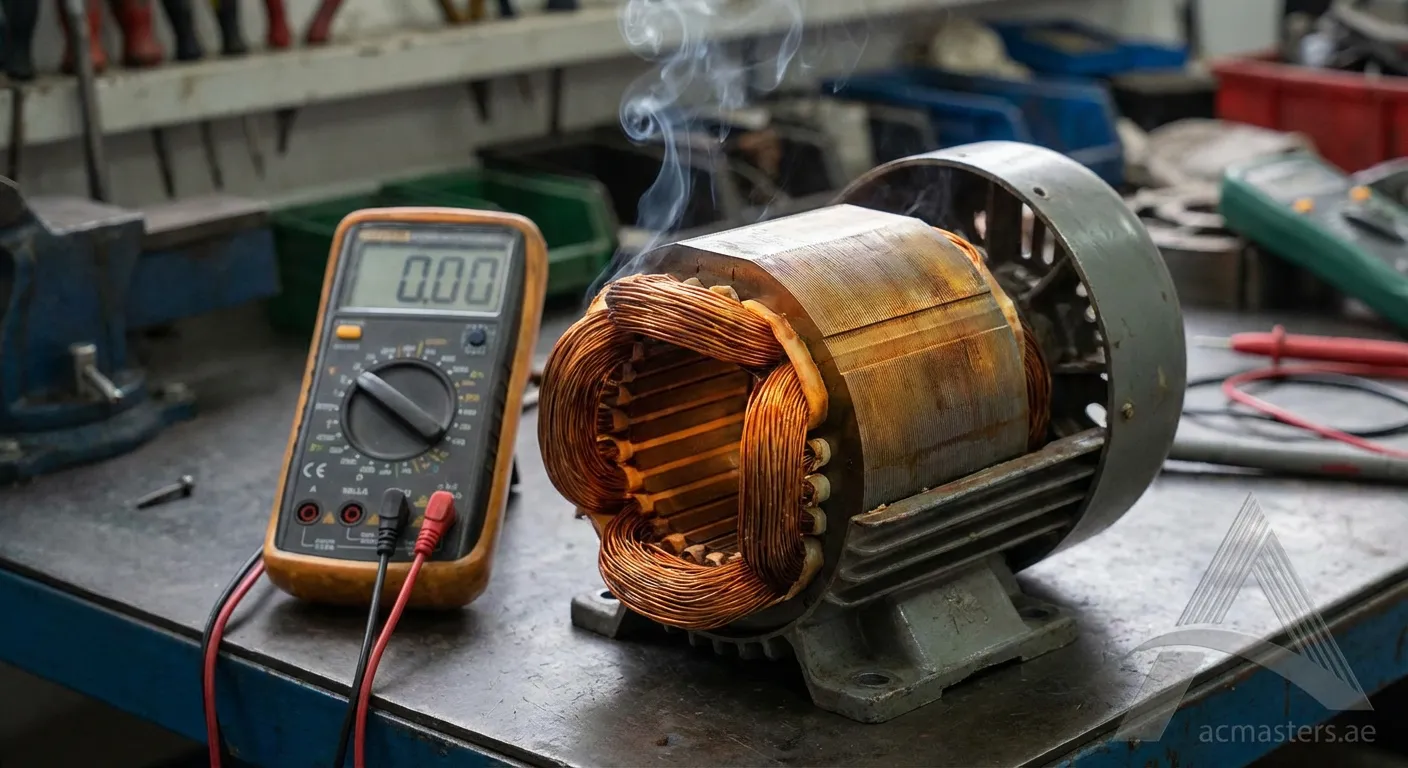
The most immediate consequence of undervoltage is excess heat. As the amperage increases to compensate for low voltage, the internal windings of the motor become significantly hotter. AC motors are rated for specific temperature rises; exceeding these limits degrades the winding insulation.
- Thermal Stress: For every 10°C rise in operating temperature above the rated limit, the insulation life of the motor is cut in half.
- Melting Components: extreme heat can melt internal connections and capacitors.
This heat buildup is a primary factor in the impact of low voltage on AC motors, leading to premature burnouts.
2. Significant Torque Reduction
Torque is the turning force the motor produces. In AC motors, starting torque is approximately proportional to the square of the applied voltage. This means even a small drop in voltage results in a massive drop in torque.
- Starting Issues: If the voltage is too low, the compressor may not have enough force to start turning against the pressure of the refrigerant.
- Stalling: The motor effectively stalls (locked rotor condition), drawing maximum amperage without turning, which triggers thermal overloads or trips breakers rapidly.
3. Reduced System Efficiency
While the motor struggles to run on low voltage, the overall efficiency of the HVAC system plummets. The compressor cannot pump refrigerant effectively, leading to poor cooling performance. You end up paying for electricity that is being converted into waste heat rather than cooling your home.
Signs You Have Low Voltage Issues
Recognizing the symptoms early helps mitigate the impact of low voltage on AC motors. Watch for these signs:
- Dimming Lights: Lights flicker when the AC compressor kicks on.
- Humming Noises: The outdoor unit hums loudly but the fan or compressor doesn't verify spin immediately.
- Frequent Tripping: Circuit breakers trip repeatedly upon startup.
Preventing Low Voltage Damage
To protect your investment, ensure your electrical connections are tight and sized correctly for the unit. Installing a phase monitor or a voltage protection device can automatically shut off the AC unit if the voltage drops to unsafe levels, saving the motor from destruction.