




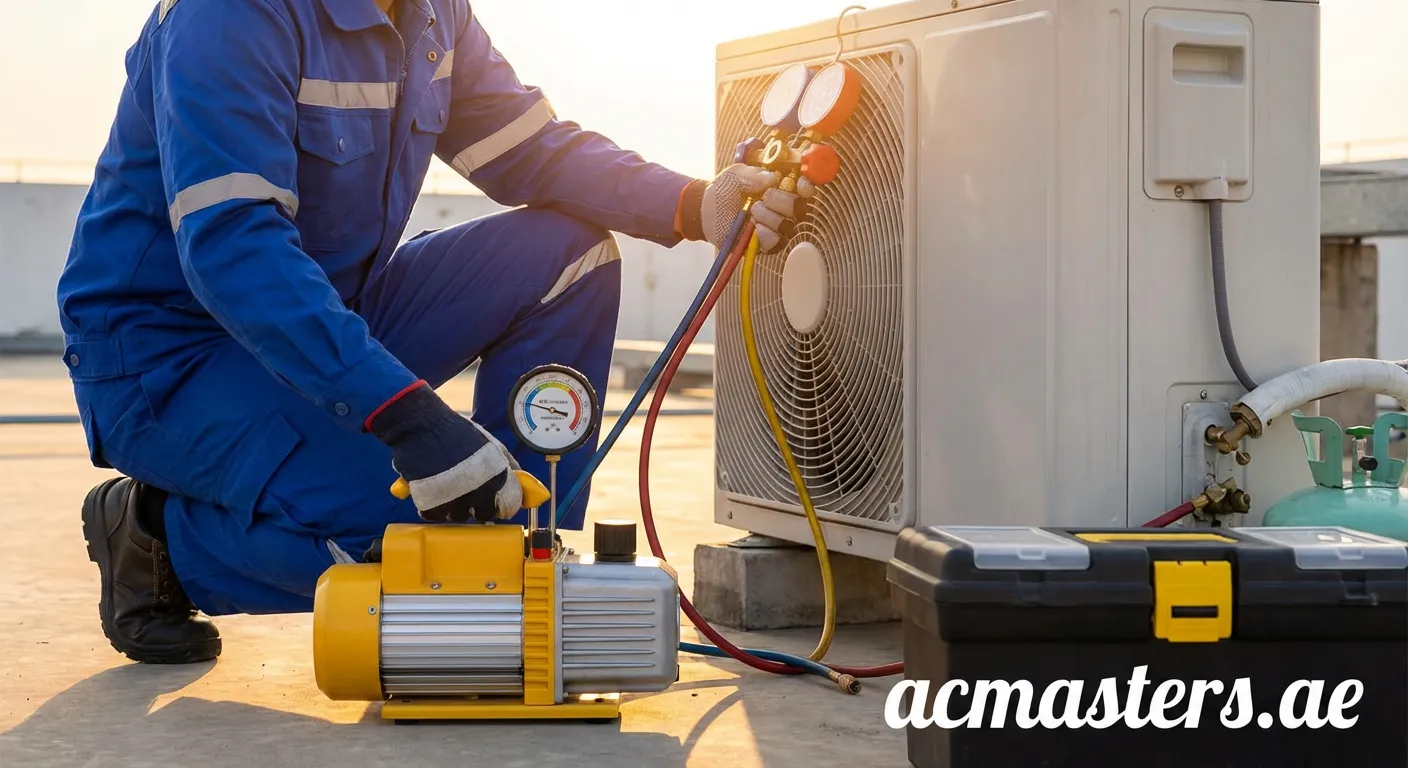
When installing a new air conditioning unit, homeowners often focus on the brand or the SEER rating. However, the technical execution of the installation is just as critical. One specific step stands out as a determinant of the system's longevity and efficiency: the vacuum process. The importance of AC vacuuming during installation cannot be overstated, as it is the only way to ensure the refrigeration cycle remains pure and functional.
What Does "Vacuuming" an AC System Mean?
In the context of HVAC (Heating, Ventilation, and Air Conditioning), vacuuming—or "evacuating"—refers to the process of using a specialized vacuum pump to remove air, nitrogen, and moisture from the refrigerant lines and the indoor coil before the refrigerant is released into the system. This creates a clean, low-pressure environment.
Skipping this step leads to "non-condensables" (like air) and moisture remaining inside the sealed system. These contaminants are the primary cause of premature compressor failure and poor cooling performance.
The Dangers of Moisture and Air
To understand the importance of AC vacuuming during installation, one must understand the chemistry inside the unit. Modern AC units use synthetic oils (like POE oil) to lubricate the compressor. These oils are highly hygroscopic, meaning they absorb moisture from the air very quickly.
1. Acid Formation
When moisture mixes with refrigerant and compressor oil under high heat and pressure, a chemical reaction occurs. This reaction creates hydrochloric or hydrofluoric acid. This acid eats away at the compressor's windings and the internal metal components, leading to what is known in the industry as "compressor burnout."
2. Sludge Buildup
Moisture and oil also combine to form a thick sludge. This sludge can clog tiny orifices within the system, such as the expansion valve or the capillary tubes, restricting refrigerant flow and causing the system to work harder than necessary.
3. High Head Pressure
Air is a non-condensable gas. If air is left in the lines, it takes up space in the condenser but does not change state from gas to liquid to release heat. This drives up the head pressure significantly. Higher pressure means the compressor draws more amps, consumes more electricity, and runs hotter, drastically reducing its lifespan.
Ensuring Efficiency and Longevity
Realizing the importance of AC vacuuming during installation correlates directly with energy savings. A system that has been properly evacuated operates at the manufacturer's designed pressures. It cools the home faster and uses less electricity.
Professionals use a micron gauge to measure the vacuum level. The industry standard is usually creating a vacuum of 500 microns or less. This level ensures that virtually all moisture boils off into a vapor and is sucked out of the system.
Note: Simply "purging" the lines with refrigerant (a practice used by unlicensed technicians) is illegal and ineffective. It does not remove moisture trapped in the oil.
Consequences of Improper Installation
If a technician rushes and skips the vacuum stage, the symptoms might not be immediate. The AC might run fine for a year or two. However, the internal degradation starts from day one.
- Reduced Cooling Capacity: The presence of air prevents proper heat exchange.
- Ice Formation: Moisture can freeze at the metering device, blocking flow.
- Total System Failure: Acid buildup eventually shorts out the compressor motor.
Ultimately, the importance of AC vacuuming during installation is about protecting your investment. Demand that your installer uses a micron gauge to verify the vacuum before releasing the refrigerant.