




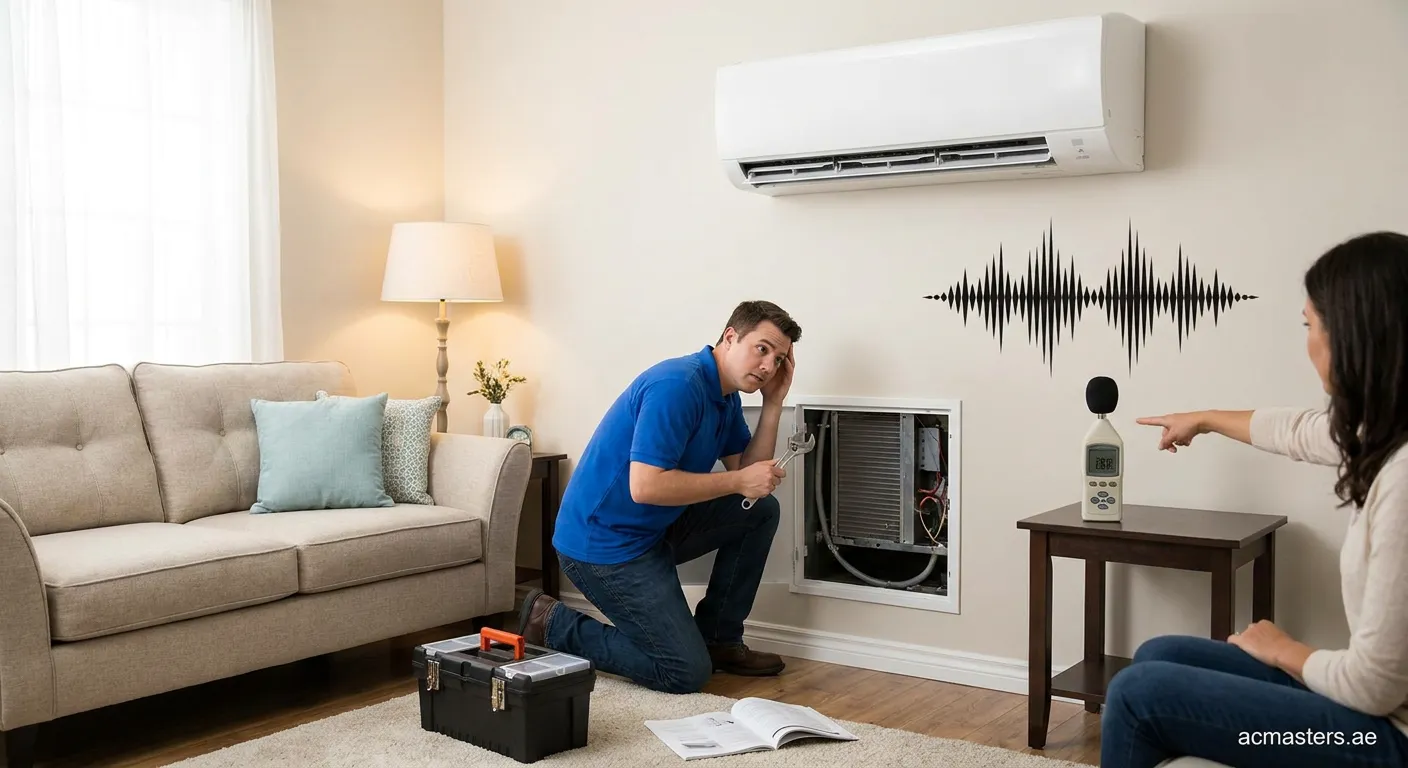
Common Causes of Roaring AC Noises
When homeowners ask "Why is my AC making a roaring noise?", several potential culprits typically surface. Understanding these causes helps determine whether you need simple maintenance or professional repair.
Motor Problems
The blower motor represents one of the most common sources of unusual sounds. A failing motor bearing creates friction that produces loud rumbling or roaring noises.
Signs of motor issues include:
- Grinding or screeching sounds alongside the roar
- Intermittent operation
- Overheating smell near the unit
- Higher energy bills without increased usage
Fan Blade Issues
Bent or damaged fan blades disrupt normal airflow patterns. When blades strike nearby components or operate unevenly due to imbalance, they generate significant noise.
Debris accumulation on fan blades also causes imbalance. Leaves, twigs, and dirt buildup create uneven weight distribution leading to wobbling during operation.
Ductwork Problems
Sometimes the answer to "Why is my AC making a roaring noise?" lies within ductwork rather than mechanical components:
- Loose connections causing vibration against framing
- Undersized ducts creating excessive air velocity
- Blocked or collapsed sections forcing air through restricted passages
- Metal expansion during temperature changes
Compressor Concerns
The compressor serves as the heart of your cooling system. Older compressors often produce deeper rumbling sounds compared to newer units.
If your system runs over 10-15 years and develops loud roaring noises, internal wear likely causes the problem. Professional evaluation determines whether replacement makes more sense than repairs.
Belt Wear in Older Units
Belt-driven motors in older AC systems develop roars when belts loosen or deteriorate. The belt connects motor power to fan operation.
Quick Troubleshooting Steps
Before calling professionals, try these basic checks:
- Turn off power completely before inspection
- Clear visible debris around outdoor unit
- Check and replace dirty air filters
- Inspect for obvious damage to visible components
- Listen carefully to pinpoint noise source location
Important: Never attempt repairs involving refrigerant lines or electrical components without proper certification.
When Professional Help Becomes Necessary
Certain situations require expert intervention:
- Noises accompanied by burning smells
- Sound increases volume over time
- System struggles to cool effectively
- Circuit breakers trip frequently
- Visible damage to components
Professional technicians possess specialized equipment for accurate diagnosis of motor failures, refrigerant leaks, and compressor problems.