




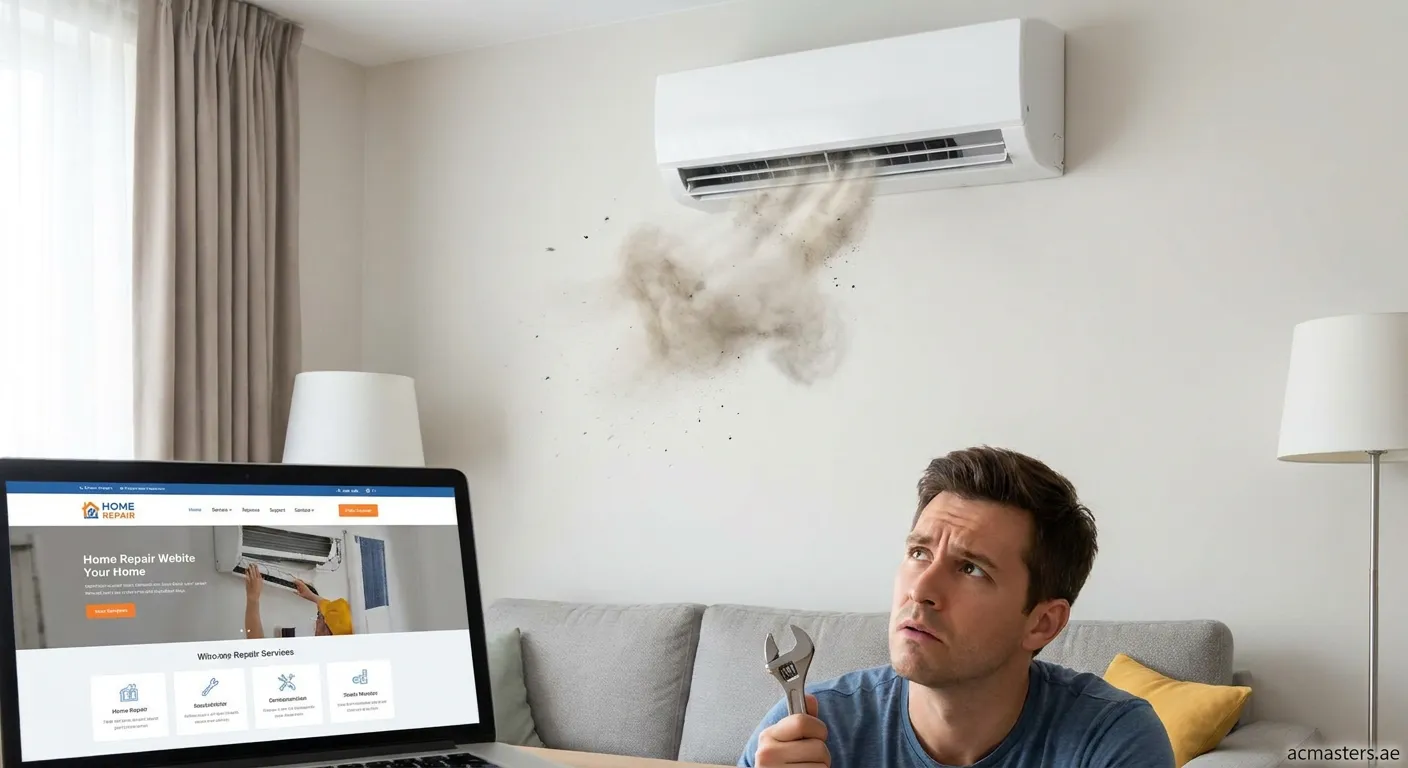
Understanding the AC Sneezing Phenomenon
When an air conditioning unit operates normally, it creates a consistent, low hum or gentle airflow. Hearing an abrupt, sharp whoosh or puff can be alarming. Homeowners often wonder why your AC makes a sneezing sound out of nowhere. This distinct noise typically points to sudden pressure equalization, airflow restrictions, or valve actuations occurring within the refrigerant loop or ductwork.
1. Refrigerant Pressure Discharges
The primary culprit behind a sneezing noise is shifting refrigerant pressure. When the compressor shuts off or experiences an unexpected disruption, high-pressure liquid and gas can rapidly balance out through the thermal expansion valve (TXV) or reversing valve. If the expansion valve sticks or releases suddenly, it creates a sound resembling a sharp sneeze or hiss. Knowing why your AC makes a sneezing sound during cycle transitions helps pinpoint whether your expansion device requires calibration or replacement.
2. Defrost Mode Activation in Heat Pumps
If your system is a reverse-cycle heat pump, it regularly enters a defrost cycle during cooler periods to melt ice on the outdoor coil. When switching between heating and cooling modes, the four-way reversing valve shifts rapidly. The sudden surge of pressurized refrigerant moving through the lines generates an audible sneeze. While this is normal in moderate frequencies, excessively loud or frequent noises may indicate a failing reversing valve solenoid.
3. Clogged Air Filters and Airflow Blockages
Restricted airflow causes static pressure imbalances across the evaporator coil and duct network. When heavy dust chokes your return vents, the blower motor struggles to draw air. When the blower cycles off, trapped high pressure discharges abruptly through gaps, creating an AC sneezing sound. Regular filter replacement prevents severe pressure differentials from stressing your blower motor and duct seams.
4. Ductwork Leakage and Damper Snapping
Motorized dampers and sheet metal ducts expand and contract under fluctuating thermal pressure. A loose damper flap snapping shut or air escaping through cracked duct joints can mimic a quick sneeze. Inspecting your ductwork seals ensures conditioned air delivers efficiently without loud aerodynamic disturbances.
How to Prevent and Resolve Sneezing Sounds
- Inspect and change dirty air filters every 30 to 60 days to stabilize system airflow.
- Clear dust, leaves, and debris around the outdoor condenser coil.
- Schedule routine maintenance to check refrigerant levels and monitor TXV responsiveness.
- Seal duct connections to eliminate unwanted aerodynamic pressure drops.
When to Call a Certified HVAC Technician
While an occasional sneeze might be a benign pressure adjustment, persistent sounds indicate deeper mechanical stress. Running a system with erratic pressure cycles can overwork the compressor, leading to costly breakdowns. Understanding why your AC makes a sneezing sound empowers you to take prompt action and protect your cooling investment.