




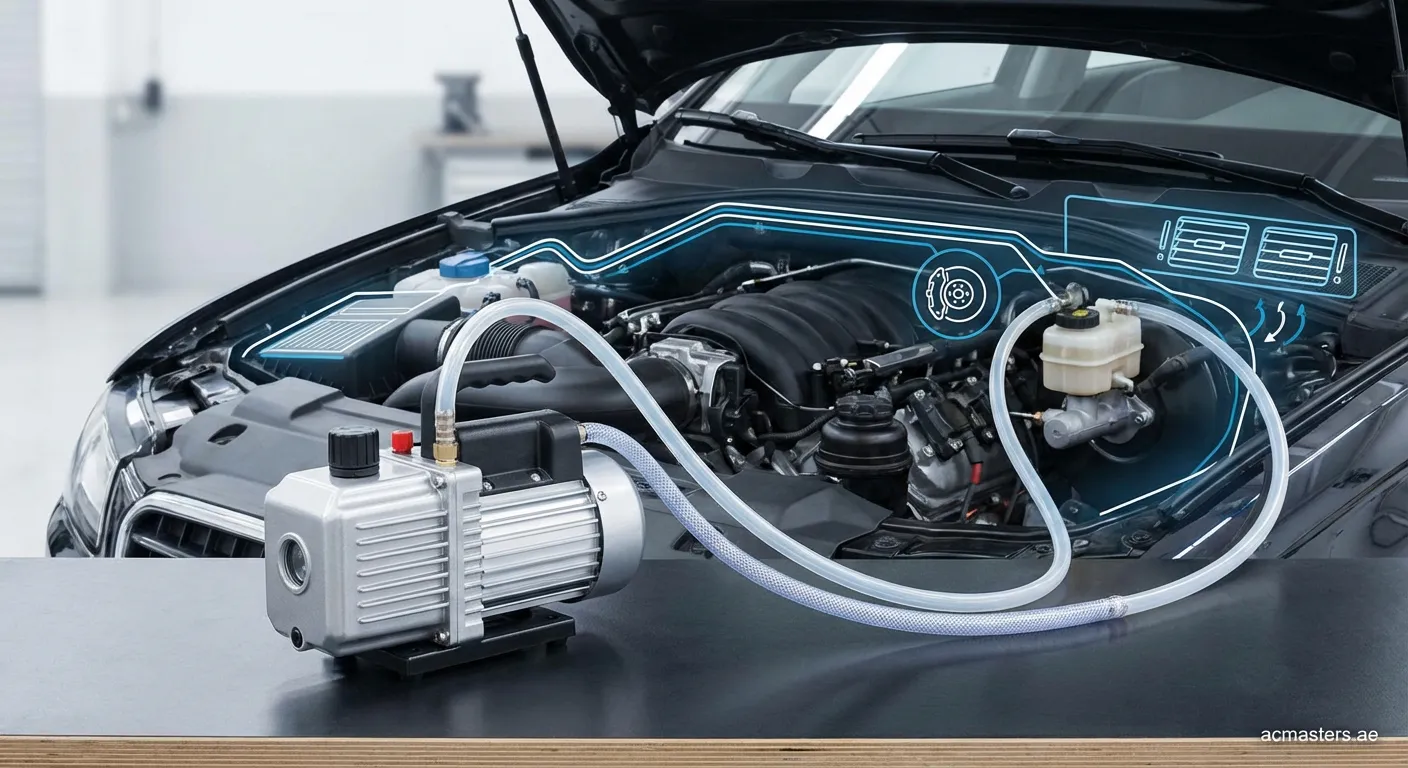
What is a Vacuum Pump and How Does It Work?
A vacuum pump is an essential component in modern vehicles that creates negative pressure by removing air from a sealed chamber. This device serves multiple critical functions, from powering brake boosters to operating various emission control systems.
The benefits of a vacuum pump extend across automotive, industrial, and specialized applications. In vehicles, this component ensures consistent vacuum pressure regardless of engine load conditions, particularly important in diesel engines where natural vacuum creation is limited.
Key Advantages in Automotive Applications
1. Enhanced Braking Performance
One of the primary benefits of a vacuum pump is its role in brake booster operation. The pump maintains constant vacuum pressure, ensuring reliable brake assist even under demanding conditions. This translates to:
- Consistent brake pedal feel
- Reduced driver fatigue
- Improved safety in emergency situations
- Reliable stopping power regardless of engine RPM
2. Optimal Emission Control
Modern vehicles rely on vacuum-operated components for emission control systems. The benefits of a vacuum pump include:
- Proper operation of EGR (Exhaust Gas Recirculation) valves
- Effective fuel vapor management
- Consistent PCV (Positive Crankcase Ventilation) system performance
- Reduced environmental impact
3. Auxiliary System Support
Beyond braking and emissions, vacuum pumps power various comfort and convenience features:
- HVAC system controls and actuators
- Central locking mechanisms
- Turbocharger wastegate operation
- Cruise control systems
Industrial and Specialized Applications
The benefits of a vacuum pump extend far beyond automotive use. Industrial applications include:
- Manufacturing processes: Vacuum forming, packaging, and material handling
- Medical equipment: Suction devices and laboratory instruments
- Food processing: Preservation and packaging systems
- Scientific research: Creating controlled environments for experiments
Energy Efficiency Considerations
Modern vacuum pumps are designed with efficiency in mind. Electric vacuum pumps, increasingly common in hybrid and electric vehicles, offer precise control and reduced parasitic load on the engine. The benefits of a vacuum pump in these applications include:
- Lower fuel consumption
- Reduced emissions
- Quieter operation
- Longer component lifespan
Maintenance and Longevity
To maximize the benefits of a vacuum pump, proper maintenance is essential. Regular inspection and timely replacement prevent system failures that could compromise safety and performance.
Signs of vacuum pump issues include:
- Hard brake pedal feel
- Hissing noises under the hood
- Check engine light illumination
- Reduced engine performance
- Inconsistent HVAC operation
Professional diagnosis and timely repairs ensure continued reliability. Quality replacement pumps maintain manufacturer specifications and warranty coverage.
Choosing the Right Vacuum Pump
When selecting a replacement, consider:
- Vehicle-specific compatibility
- OEM vs. aftermarket quality
- Warranty coverage
- Professional installation requirements
- Operating environment conditions
The benefits of a vacuum pump are maximized when proper components are matched to specific applications and operating conditions.