




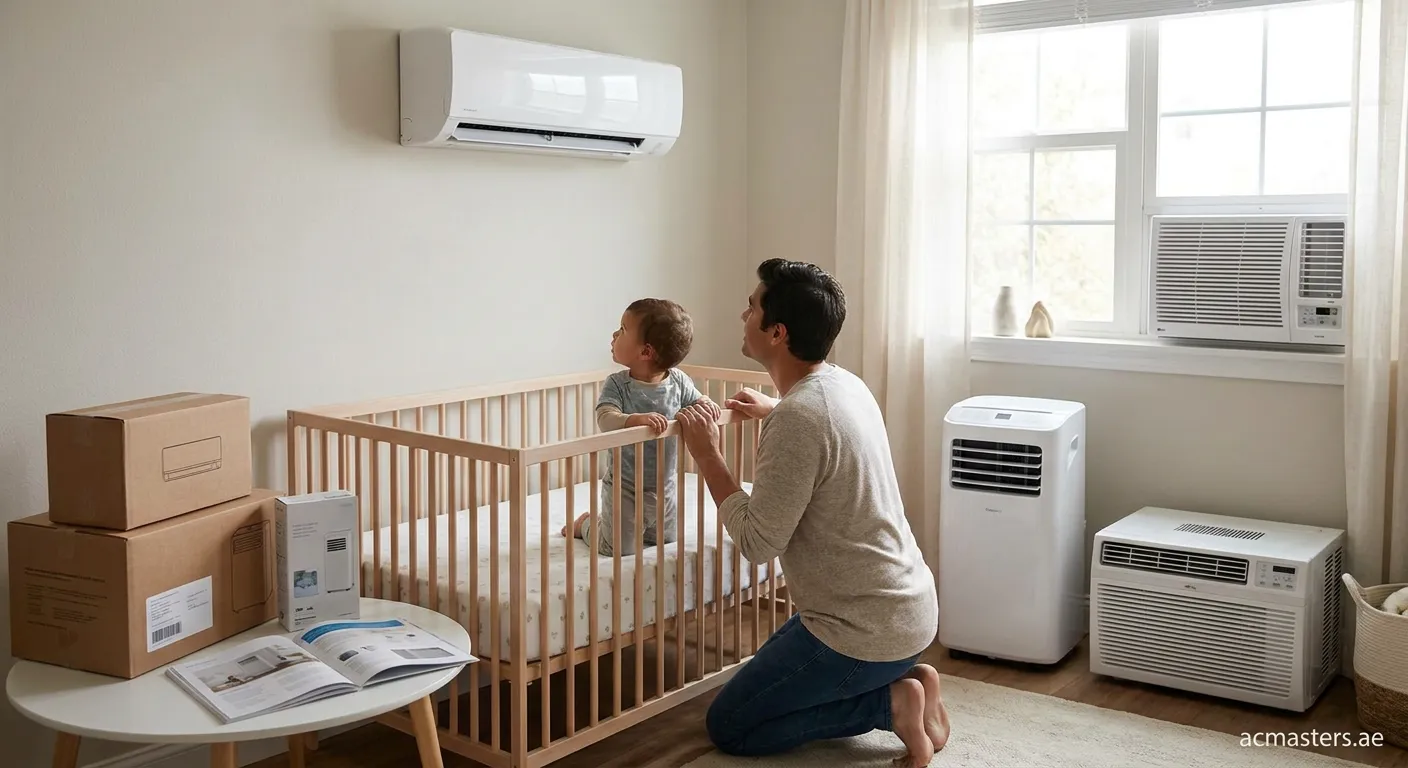
Understanding How to Choose the Best AC for a Baby's Room
When learning how to choose the best AC for a baby's room, parents must prioritize several critical factors that directly impact infant health and comfort.
Key Considerations When Selecting an Air Conditioner
Temperature Control Precision Babies cannot regulate body temperature effectively making precise climate control essential:
- Look for units with ±1°C accuracy
- Digital thermostats provide better control than analog versions
- Smart features enable remote monitoring via smartphone apps
Noise Level Requirements Infants are highly sensitive to sound disturbances during sleep cycles:
- Select models rated below 35 decibels on low setting
- Inverter technology reduces compressor noise significantly
Avoid window units near crib placement when possible
Essential Safety Features
Understanding how to choose the best AC includes recognizing vital safety components:
- Child lock functions prevent accidental setting changes
2 Covered electrical components eliminate shock hazards
3 Tip-over protection sensors automatically shut down unit if displaced
4 Filters remove allergens dust particles bacteria from circulating air
Optimal Placement Guidelines
Proper positioning maximizes efficiency while protecting your little one:
Position airflow directed away from crib area avoiding direct exposure onto sleeping infant which may cause discomfort or potential health issues related prolonged cold air contact
Recommended distances include minimum two meters between vent output source sleeping area plus elevated installation height prevents curious toddlers accessing controls later developmental stages .
Types of Air Conditioners Suitable For Nurseries
Split System Units
These offer superior performance benefits including quieter operation enhanced filtration systems flexible installation options though higher initial investment costs apply .
Portable Options
Portable variants provide mobility convenience temporary solutions however typically produce more operational noise consume greater energy amounts per cooling capacity delivered .
Maintenance And Air Quality Considerations
Regular upkeep ensures continued safe operation protecting respiratory health developing immune systems :
| Task | Frequency | Importance |
|---|---|---|
| Filter cleaning | Monthly | High |
| Professional inspection | Annually | Critical |
| Duct cleaning services | Every two years | Essential |
Clean ductwork prevents mold growth bacterial contamination circulating throughout nursery space potentially causing respiratory complications infants experience greater vulnerability airborne pollutants compared adults .
Many families overlook professional duct maintenance yet this service dramatically improves indoor quality creating healthier breathing environments growing children require optimal conditions development milestones .
Energy efficiency ratings matter significantly long-term operational expenses households face monthly utility billing cycles choosing higher SEER rated equipment reduces consumption patterns supporting both environmental sustainability household budget management simultaneously benefiting families multiple practical ways beyond immediate cooling functionality alone .