




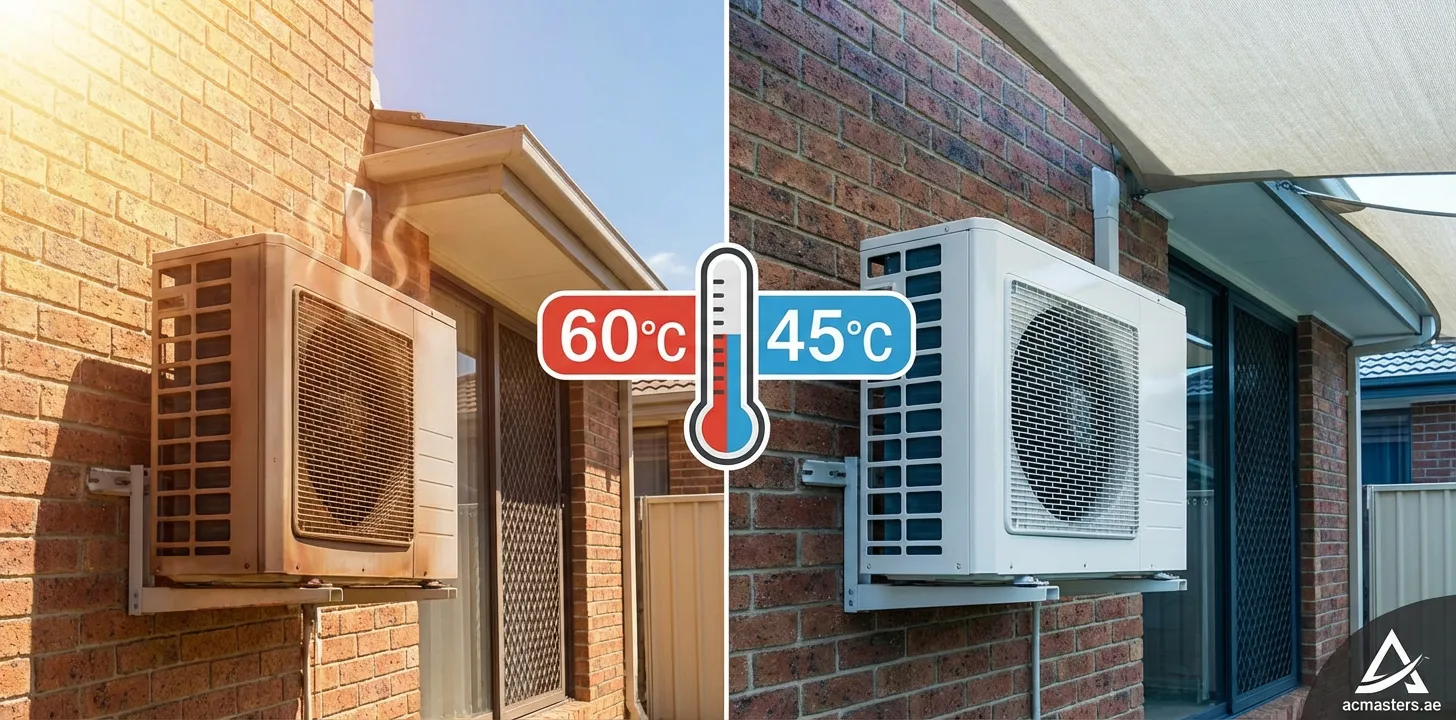
Is your air conditioner constantly running but failing to cool your home? The problem might not be mechanical failure, but rather location. Understanding the impact of direct sunlight on your AC unit is crucial for maintaining energy efficiency and prolonging the lifespan of your system. When your outdoor condenser unit sits in the blazing sun, it fights a losing battle against physics.
How Sun Exposure Affects Efficiency
The primary function of your AC's outdoor unit is to release the heat absorbed from inside your home. When the unit is exposed to intense solar radiation, the metal casing and internal components heat up significantly.
- ** Reduced Heat Exchange:** The condenser coils need to dissipate heat into the outside air. If the ambient temperature around the unit is artificially raised by direct sun, the heat transfer process becomes inefficient.
- Overworking the Compressor: To compensate for the heat, the compressor must work harder and run longer to achieve the desired temperature.
- Efficiency Drop: Studies suggest that the impact of direct sunlight on your AC unit can reduce its overall efficiency by up to 10-15%.
The Financial and Mechanical Costs
Ignoring the location of your AC unit leads to tangible consequences. It isn't just about comfort; it is about your wallet.
- Higher Energy Bills: A system running inefficiently consumes more electricity. This spike is often most noticeable during the hottest months of the year.
- Premature Wear and Tear: Constant overheating puts stress on the internal motor and coolant lines. This accelerates the degradation of parts, leading to frequent breakdowns.
- Shortened Lifespan: An AC unit that constantly struggles against the sun may fail years earlier than a shaded unit.
Smart Solutions: How to Shade Your AC
You cannot change the position of the sun, but you can manage the impact of direct sunlight on your AC unit through smart shading techniques. However, caution is required; blocking airflow is just as bad as sunlight.
Landscaping
Planting trees or tall shrubs near the unit is an eco-friendly way to provide shade.
Note: Ensure a clearance of at least 2-3 feet around the unit to allow proper airflow. Leaves and debris should be cleared regularly.
Awnings and Screens
Installing a simple awning or a freestanding trellis can block the midday sun without restricting air movement. This is often the most effective method for units located on the south or west sides of a building.
Conclusion: Location Matters
While modern air conditioners are built to withstand outdoor elements, they are not immune to extreme heat. Mitigating the impact of direct sunlight on your AC unit by providing adequate shade can lower the temperature around the intake air by several degrees. This simple adjustment improves performance, lowers energy consumption, and keeps your home cooler during peak summer heat.