



How Shade Affects Air Conditioning Performance
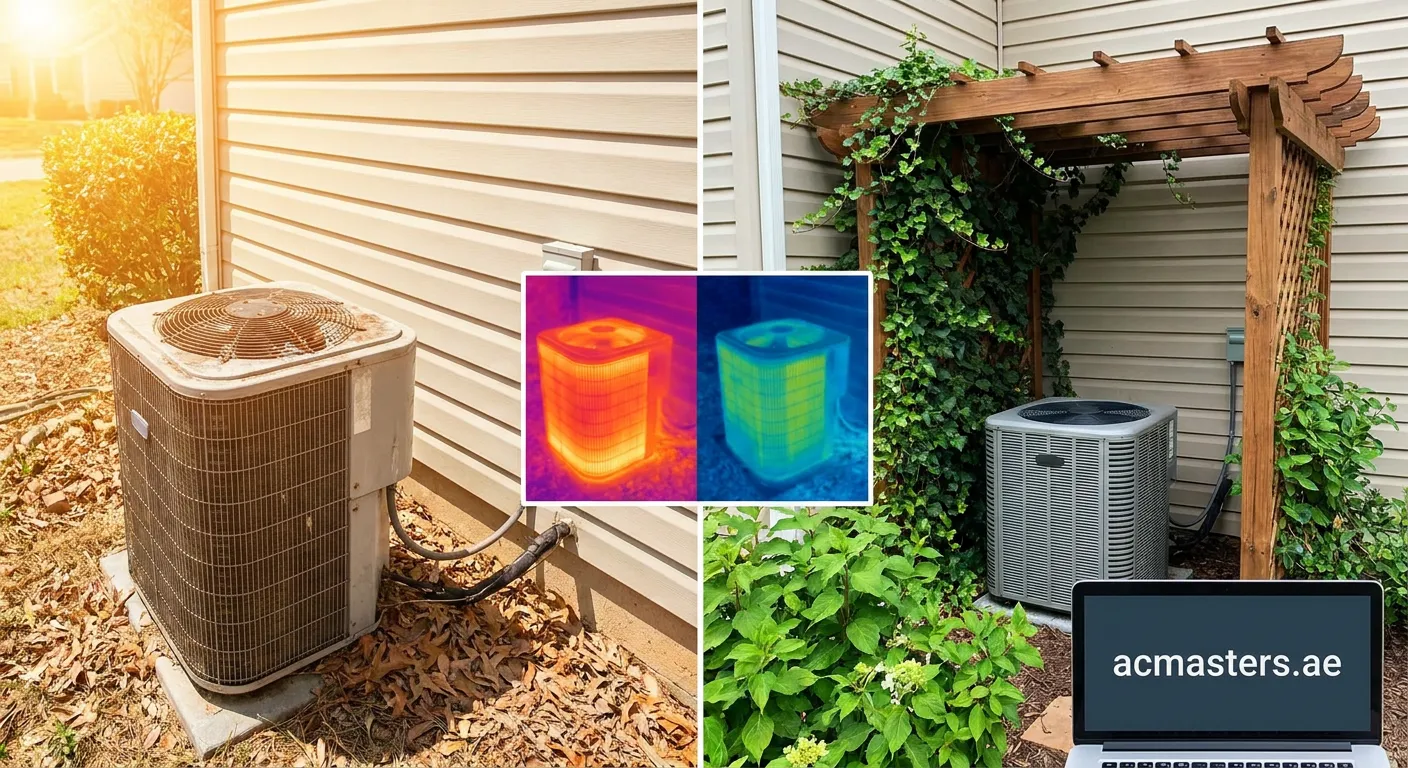
When it comes to optimizing your home's cooling system, the impact of shade on AC efficiency plays a crucial role that many homeowners overlook. Your air conditioner works harder when exposed to direct sunlight, consuming more energy and wearing out components faster.
Direct Sunlight vs. Shaded Conditions
An air conditioning unit operating in direct sunlight can consume 10-15% more electricity than a shaded unit performing the same cooling task. The sun's radiant heat increases the temperature around your outdoor unit, forcing the compressor to work harder to dissipate heat from the refrigerant.
In contrast, a properly shaded AC unit operates more efficiently because:
- Lower ambient temperatures around the condenser coil improve heat transfer
- Reduced heat absorption by the unit's housing decreases internal temperatures
- Less strain on compressor extends equipment lifespan significantly
- Decreased energy consumption lowers monthly utility bills substantially
Optimal Shading Strategies for AC Units
Natural Shade Options
Trees provide excellent natural cooling for air conditioning systems. However, strategic placement matters:
- Position trees on the south and west sides where sun exposure peaks during hottest afternoon hours
- Maintain minimum clearance of 3-5 feet between branches and the unit for proper airflow
- Choose deciduous trees that provide summer shade while allowing winter sun exposure for heating efficiency
Artificial Shading Structures
When natural shade isn't available, consider these alternatives:
- Louvered pergolas allow ventilation while blocking direct sunlight effectively
- Sunshades and awnings offer flexible coverage options at various angles
- Strategic fencing positioned appropriately can provide partial shading benefits without restricting airflow critically
Important: Never enclose your AC unit completely or block airflow, as adequate ventilation remains essential for proper heat exchange operations.
Common Shading Mistakes to Avoid
Understanding the impact of shade on AC efficiency also means recognizing potential pitfalls:
Blocking Airflow Completely
Installing solid covers or building tight enclosures around your AC unit severely restricts airflow, reducing efficiency dramatically and potentially causing system failure.
Improper Planting Distance
Planting vegetation too close creates debris problems—falling leaves, twigs, and seeds can clog condenser coils, reducing performance by up to 30%.
Ignoring Maintenance Access
Any shading solution must allow technicians easy access for routine maintenance and emergency repairs without obstruction.
Measuring Efficiency Improvements from Shading
Studies demonstrate that properly shaded air conditioning units show measurable improvements:
| Factor | Unshaded Unit | Shaded Unit |
|---|---|---|
| Operating Temperature | Higher | Lower |
| Energy Consumption | Baseline | 10-15% Less |
| Compressor Wear | Normal | Reduced |
| System Lifespan | Standard | Extended |
Real-World Energy Savings Calculation
For a typical home spending $200 monthly on cooling during peak summer months:
- Baseline cooling cost: $200/month × 4 peak months = $800 annually
- With proper shading: $170/month × 4 months = $680 annually (assuming 15% savings)
- Annual savings: $120 per year in direct electricity costs alone* *Results vary based on climate conditions and system specifications.