




An unexpected noise from your cooling system is always a warning sign. When understanding why your AC makes a wheezing sound, homeowners often discover issues related to air pressure, restricted airflow, or mechanical resistance. Identifying the source early protects your compressor and keeps energy bills low.
Common Causes of AC Wheezing Noises
A wheezing sound usually mimics a strained intake of air. Here are the most frequent culprits behind an air conditioner wheezing sound:
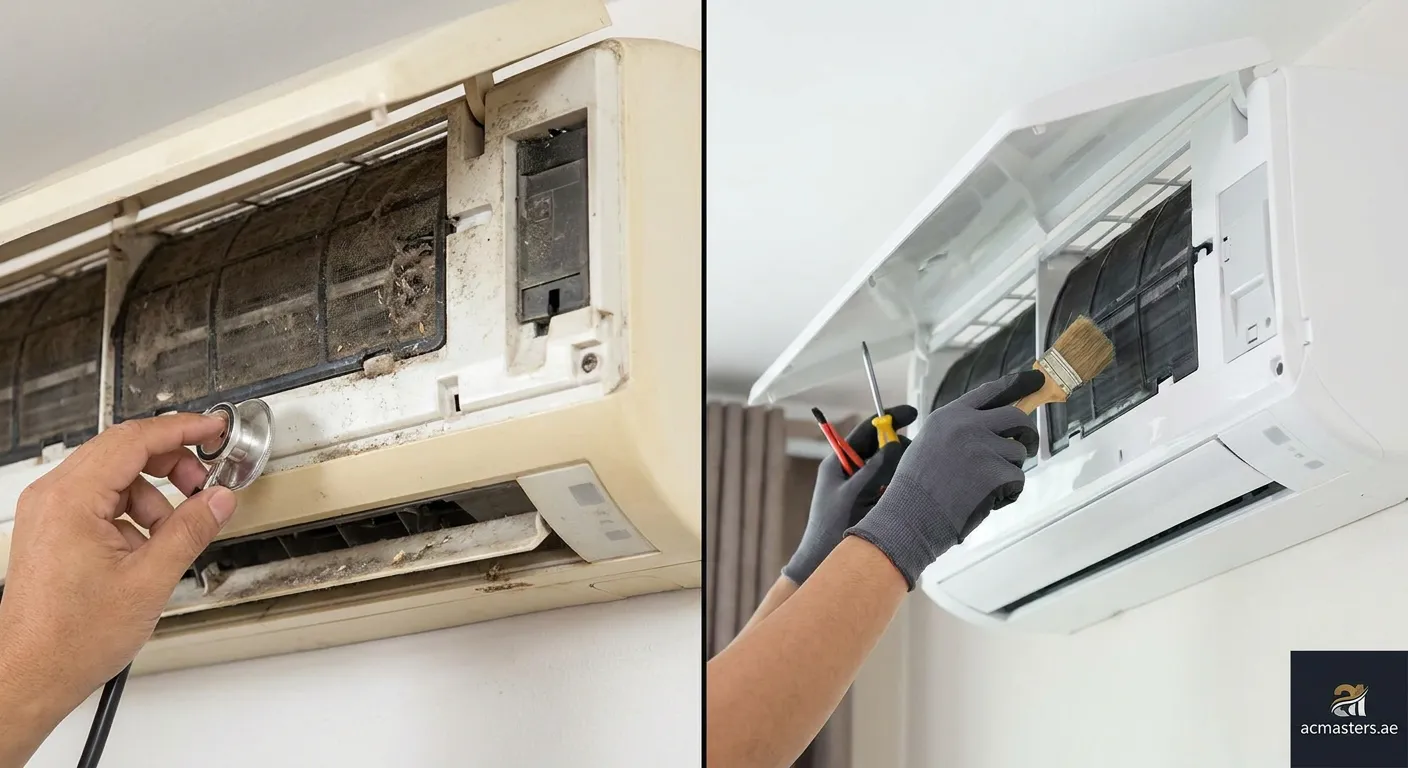
- Severe Filter Blockage: A dirty air filter forces the blower motor to pull air through a dense layer of dust, producing a distinct whistling or wheezing noise.
- Closed or Obstructed Vents: Blocking supply or return grilles increases static duct pressure, causing rushing air to wheeze through tight gaps.
- Ductwork Leaks and Gaps: Tiny tears or separated duct joints act like a reed in an instrument, whistling as high-velocity air escapes.
- Failing Blower Wheel: Dirt buildup or motor bearing friction can cause the fan wheel to struggle, emitting a rhythmic wheeze during operation.
- Refrigerant Pressure Irregularities: Leaks or expansion valve clogs can create hissing or wheezing noises near the indoor evaporator coil.
Why Airflow Resistance Matters
When airflow is restricted, your system suffocates. The blower motor works twice as hard, drawing excessive current and raising temperatures inside the air handler. Over time, restricted airflow leads to frozen evaporator coils and total compressor failure.
Tip: Inspect your return vents monthly to ensure furniture, drapes, or debris do not block essential return air.
How to Troubleshoot a Wheezing Air Conditioner
Before calling an HVAC technician, complete these practical troubleshooting steps:
- Replace the Air Filter: Check your furnace or air handler filter. If it is gray or coated in dust, replace it immediately with a fresh MERV-rated filter.
- Inspect All Registers: Ensure at least 80% of supply registers across your home remain fully open to maintain balanced static pressure.
- Check the Evaporator Coil: Look for frost or moisture accumulation on the indoor unit casing, which signals severe airflow starvation.
- Listen to the Outdoor Condenser: Distinguish between an indoor whistling sound and outdoor compressor strain to isolate the faulty component.
When to Call a Certified HVAC Technician
If a clean filter does not resolve why your AC makes a wheezing sound, the problem likely lies within internal mechanics or sealed duct systems. Certified technicians measure static pressure, seal hidden duct ruptures, inspect blower motor bearings, and verify precise refrigerant levels. Investing in timely repairs eliminates annoying noises, optimizes cooling efficiency, and extends the lifespan of your central air conditioning unit.