




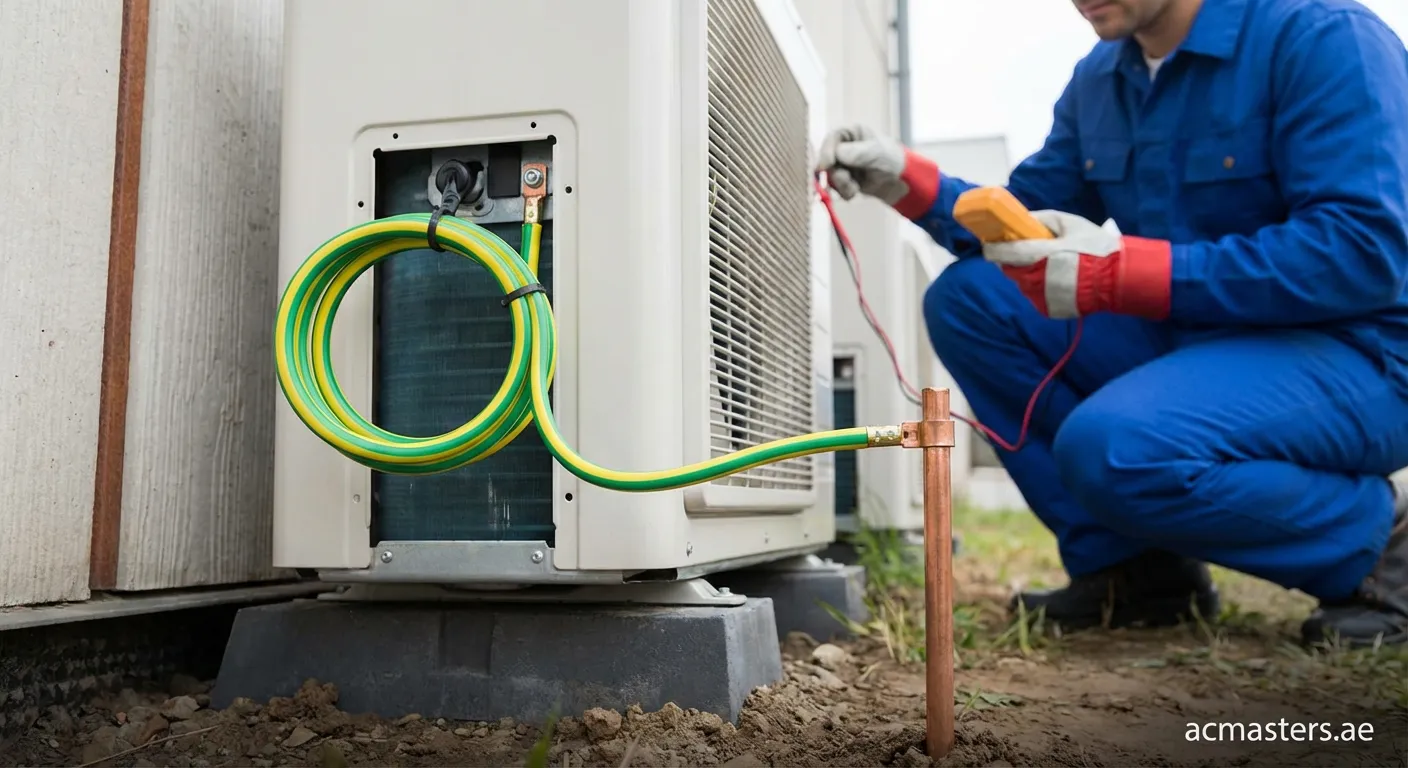
The importance of AC earthing cannot be overstated when it comes to electrical safety in residential and commercial buildings. Earthing, also known as grounding, creates a safe pathway for excess electricity to dissipate into the ground, preventing potentially fatal accidents.
What is AC Earthing?
AC earthing is the process of connecting metallic parts of electrical equipment to the earth through a low-resistance wire. This connection serves as a critical safety mechanism that protects both people and appliances from electrical faults.
How Earthing Works
When an electrical fault occurs – such as a short circuit or insulation failure – excess current flows through the earth wire instead of passing through a person who might touch the faulty appliance. The earth connection provides the path of least resistance, safely directing dangerous currents away.
Why AC Earthing is Critical for Safety
Understanding the importance of AC earthing begins with recognizing its life-saving functions:
Prevents Electric Shock: Properly earthed AC units redirect fault currents safely to the ground, eliminating shock hazards to users.
Protects Against Fire: Electrical faults can generate excessive heat. Effective earthing triggers circuit breakers instantly, preventing fire outbreaks.
Appliance Protection: Sudden voltage surges and lightning strikes can destroy expensive AC units without proper grounding protection.
Stable Voltage Regulation: Earthing helps maintain consistent voltage levels, ensuring your air conditioner operates efficiently.
Risks of Inadequate Earthing
Failing to appreciate the importance of AC earthing can lead to severe consequences:
- Electrocution Hazard: Touching an ungrounded AC unit during a fault could result in fatal electric shock.
- Equipment Damage: Without proper earthing, voltage fluctuations can permanently damage compressors and PCB components.
- Fire Risk: Arcing and overheating from poor connections can ignite surrounding materials.
- Void Warranties: Many manufacturers require proper installation with earthing; improper grounding may void warranty coverage.
Signs Your AC Earthing is Compromised
Recognizing when your earthing system needs attention is crucial:
- Mild shock or tingling sensation when touching the AC unit
- Circuit breakers frequently tripping without obvious cause
- Burning smell near the outdoor unit or electrical panel
- Visible damage to wiring or connections
- Fluctuating AC performance or unexpected shutdowns
Best Practices for Proper AC Earthing
To ensure effective grounding:
- Use appropriate gauge earth wires as per local regulations (typically minimum 4mm² copper)
- Install dedicated earth electrodes at least 3 meters deep in moist soil
- Ensure all metallic parts are bonded together properly
- Test earth resistance annually – it should not exceed 1 ohm for safety compliance
- Hire licensed electricians for installation and maintenance work